The Interreg portal has published a new feature highlighting how Interreg projects are supporting France’s transition to hydrogen-powered solutions. The article showcases HYDEA, a project led by ITG | Centro Tecnológico and supported by the Interreg Atlantic Area Programme, as an example of how transnational cooperation can help address local challenges.
The feature also presents GreenSKHy, a project led by the National Agency for Vocational and Educational Training of Adults and supported by the Interreg North-West Europe Programme, illustrating how different Interreg initiatives are contributing to the development of the hydrogen economy across Europe.
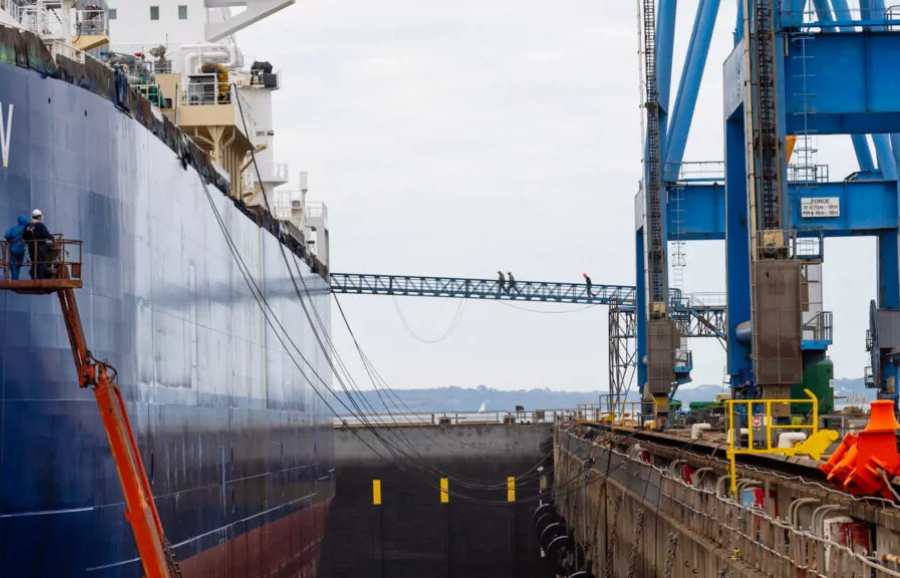
HYDEA focuses on the deployment of hydrogen infrastructure in 11 ports across four Atlantic Area countries, including the Port of Brest in France. As part of the project, the Port of Brest is investing in hydrogen production through steam reforming and CO₂ capture technologies. The aim is to reduce the cost of hydrogen, one of the main barriers to the large-scale adoption of hydrogen-based solutions.
To achieve this goal, the port is working closely with private-sector partners, including H2X, VERDEMOBIL and GRDF, as well as regional stakeholders such as the Brittany Region and its development agency, Bretagne Next.
“For the maritime sector, and for transport more broadly, the transition to greener energy sources is a major challenge. No single actor can achieve it alone. Strong cooperation is needed at transnational level to develop green transport corridors, and at regional and national levels to design joint action plans tailored to local contexts,” said Fabienne Vallée, Innovation Coordinator at the Port of Brest.
Read the full article on the Interreg website.
The feature also presents GreenSKHy, a project led by the National Agency for Vocational and Educational Training of Adults and supported by the Interreg North-West Europe Programme, illustrating how different Interreg initiatives are contributing to the development of the hydrogen economy across Europe.
HYDEA focuses on the deployment of hydrogen infrastructure in 11 ports across four Atlantic Area countries, including the Port of Brest in France. As part of the project, the Port of Brest is investing in hydrogen production through steam reforming and CO₂ capture technologies. The aim is to reduce the cost of hydrogen, one of the main barriers to the large-scale adoption of hydrogen-based solutions.
To achieve this goal, the port is working closely with private-sector partners, including H2X, VERDEMOBIL and GRDF, as well as regional stakeholders such as the Brittany Region and its development agency, Bretagne Next.
“For the maritime sector, and for transport more broadly, the transition to greener energy sources is a major challenge. No single actor can achieve it alone. Strong cooperation is needed at transnational level to develop green transport corridors, and at regional and national levels to design joint action plans tailored to local contexts,” said Fabienne Vallée, Innovation Coordinator at the Port of Brest.
Read the full article on the Interreg website.
Publish date: 2026-06-09