This week, the POST project, supported by the Interreg Atlantic Area Programme, presented two innovative approaches as alternatives to mass tourism: polycentric tourism and signature tourism. Both models aim to transform how tourism experiences are designed and consumed by offering products tailored to individual visitor preferences while fostering a more balanced and respectful relationship between tourists and local territories. In doing so, they seek to mitigate negative impacts such as tourism overcrowding and tourismophobia.
Polycentric tourism promotes the decentralisation of tourist activity by redirecting flows away from major attractions and encouraging overnight stays across a wider network of destinations. This approach coordinates visits to locations and resources that, although rich in cultural, archaeological, natural, or gastronomic value, may not independently justify long-distance travel. By linking these sites into a coherent tourism offering, polycentric tourism enhances their visibility and sustainability.
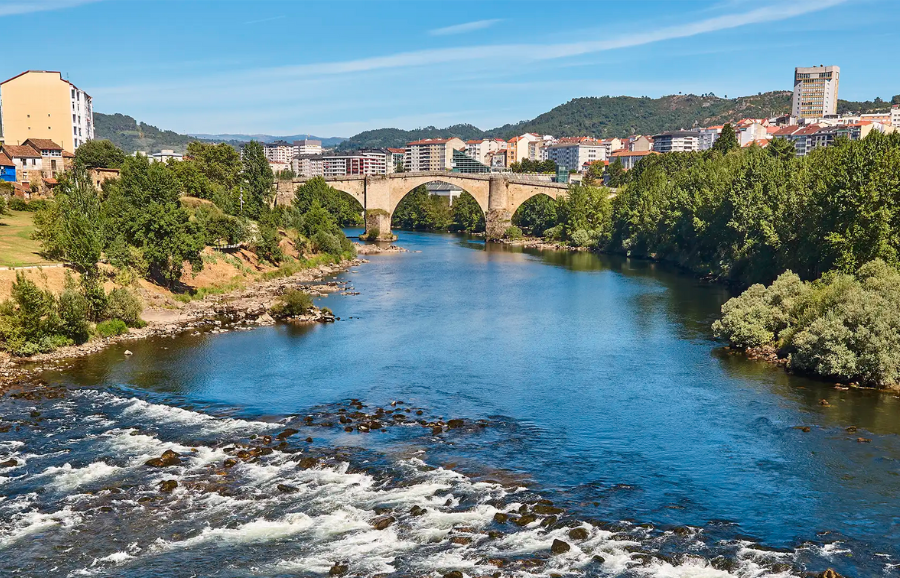
Galician Regions such as Ribeira Sacra, Santiago de Compostela, Lugo, and Ourense exemplify this potential. Their strong local heritage and distinct identities position them as ideal candidates for sustainable tourism development under a polycentric model.
These new tourism concepts were presented during the Academic Session on Polycentric Tourism, organised by the Ourense City Council in collaboration with Eixo Atlántico. The next phase of the POST project will expand its transnational scope by engaging partners in Portugal, France, and Ireland, further strengthening cooperation and knowledge exchange across the Atlantic Area.
Polycentric tourism promotes the decentralisation of tourist activity by redirecting flows away from major attractions and encouraging overnight stays across a wider network of destinations. This approach coordinates visits to locations and resources that, although rich in cultural, archaeological, natural, or gastronomic value, may not independently justify long-distance travel. By linking these sites into a coherent tourism offering, polycentric tourism enhances their visibility and sustainability.
Galician Regions such as Ribeira Sacra, Santiago de Compostela, Lugo, and Ourense exemplify this potential. Their strong local heritage and distinct identities position them as ideal candidates for sustainable tourism development under a polycentric model.
These new tourism concepts were presented during the Academic Session on Polycentric Tourism, organised by the Ourense City Council in collaboration with Eixo Atlántico. The next phase of the POST project will expand its transnational scope by engaging partners in Portugal, France, and Ireland, further strengthening cooperation and knowledge exchange across the Atlantic Area.
Publish date: 2025-12-16