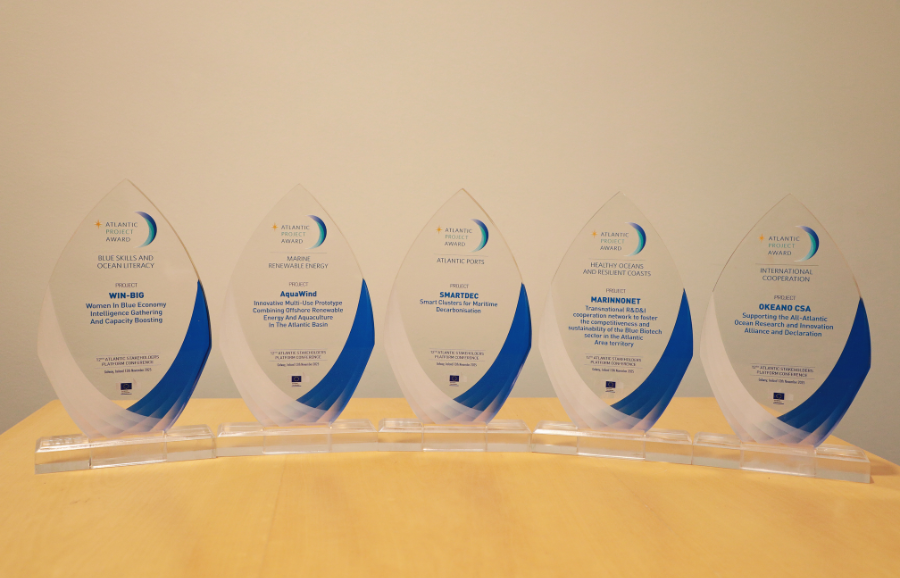
The MARINNONET Project, led by the University of Vigo and supported by the Interreg Atlantic Area Programme, is helping transform algae-based research into practical, sustainable solutions with real industrial and environmental impact, through six pioneering pilot projects and connecting research institutions, companies, and innovation actors
Algae offer exceptional potential as renewable marine resources. As Europe advances toward climate neutrality and circular bioeconomy goals, algae are increasingly recognised as strategic resources for the future. They grow rapidly, require no freshwater or arable land, and can contribute to carbon capture, sustainable food systems, bio-based materials, and natural alternatives to synthetic chemicals. From aquaculture and carbon capture to biomaterials and cosmetics, algae are no longer just marine organisms — they are catalysts for sustainable transformation.
The MARINNONET pilot projects are showing how collaborative Atlantic partnerships can accelerate innovation across the entire algae value chain — from cultivation and genetics to industrial applications and commercialisation.
• FUNCTIONALGAE
The project uses algae as a sustainable ingredient for aquaculture and is testing how substances from the seaweed Chondrus crispus can make fish feed more sustainable and effective. By adding marine algae to fish diets, the project aims to lower environmental impact while improving fish health and feed nutritional performance.
Institutions involved: Centro de Investigación Mariña; Marine Station of the University of the Basque Country; Compañía Española de Algas Marinas S.A. (CEAMSA); Kelp-Secure
• Kelp-Secure
Kelp forests are important for marine life and also create valuable economic opportunities. Based on this idea, the project is working to improve kelp storage and seed production to grow stronger and healthier (I would change this to resilient rather than healthier) kelp that can better adapt to climate change and increase cultivation success
Institutions involved: Station Biologique de Roscoff; University of Galway; ALGOLESKO; ULVACEL
• ULVACEL
The project is developing new ways to grow Ulva seaweed in different open-water environments. It also studies how this seaweed can be turned into cellulose-based materials for industrial use. The project supports the creation of more sustainable products while encouraging the production of marine biomass.
Institutions involved: Banco Español de Algas; Centro de Investigación Mariña; MacroCarbon; ALGACAP
• ALGACAP
Researchers are studying how the genetics of algae can help improve carbon capture solutions. By learning more about how algae grow and adapt to different conditions, the project supports new natural ways to reduce the effects of climate change.
Institutions involved: Marine Station of the University of the Basque Country; Banco Español de Algas; Algaverso; ALGAEMAT
• ALGAEMAT
The project is developing sustainable materials from brown algae using an environmentally friendly process that does not require harmful solvents (alternatively to "harmful solvents": extraction processes with hazardous solvents). It recovers valuable natural substances from the algae to create hydrogels and composite materials, supporting the goals of a circular and sustainable bioeconomy.
Institutions involved: University of Minho; University of Vigo; Portomuiños; SeaExpert
• SUNPALM
The project studies how the red seaweed Palmaria palmata can be used as a natural and sustainable source of as a source of compounds with potential UV-protective properties for cosmetics. The goal is to improve the production of natural compounds or ingredients that can help create more environmentally friendly sunscreen products.
Institutions involved: University of Galway; PiE-UPV/EHU; Sea & Believe; Building a sustainable Atlantic future
Algae offer exceptional potential as renewable marine resources. As Europe advances toward climate neutrality and circular bioeconomy goals, algae are increasingly recognised as strategic resources for the future. They grow rapidly, require no freshwater or arable land, and can contribute to carbon capture, sustainable food systems, bio-based materials, and natural alternatives to synthetic chemicals. From aquaculture and carbon capture to biomaterials and cosmetics, algae are no longer just marine organisms — they are catalysts for sustainable transformation.
The MARINNONET pilot projects are showing how collaborative Atlantic partnerships can accelerate innovation across the entire algae value chain — from cultivation and genetics to industrial applications and commercialisation.
• FUNCTIONALGAE
The project uses algae as a sustainable ingredient for aquaculture and is testing how substances from the seaweed Chondrus crispus can make fish feed more sustainable and effective. By adding marine algae to fish diets, the project aims to lower environmental impact while improving fish health and feed nutritional performance.
Institutions involved: Centro de Investigación Mariña; Marine Station of the University of the Basque Country; Compañía Española de Algas Marinas S.A. (CEAMSA); Kelp-Secure
• Kelp-Secure
Kelp forests are important for marine life and also create valuable economic opportunities. Based on this idea, the project is working to improve kelp storage and seed production to grow stronger and healthier (I would change this to resilient rather than healthier) kelp that can better adapt to climate change and increase cultivation success
Institutions involved: Station Biologique de Roscoff; University of Galway; ALGOLESKO; ULVACEL
• ULVACEL
The project is developing new ways to grow Ulva seaweed in different open-water environments. It also studies how this seaweed can be turned into cellulose-based materials for industrial use. The project supports the creation of more sustainable products while encouraging the production of marine biomass.
Institutions involved: Banco Español de Algas; Centro de Investigación Mariña; MacroCarbon; ALGACAP
• ALGACAP
Researchers are studying how the genetics of algae can help improve carbon capture solutions. By learning more about how algae grow and adapt to different conditions, the project supports new natural ways to reduce the effects of climate change.
Institutions involved: Marine Station of the University of the Basque Country; Banco Español de Algas; Algaverso; ALGAEMAT
• ALGAEMAT
The project is developing sustainable materials from brown algae using an environmentally friendly process that does not require harmful solvents (alternatively to "harmful solvents": extraction processes with hazardous solvents). It recovers valuable natural substances from the algae to create hydrogels and composite materials, supporting the goals of a circular and sustainable bioeconomy.
Institutions involved: University of Minho; University of Vigo; Portomuiños; SeaExpert
• SUNPALM
The project studies how the red seaweed Palmaria palmata can be used as a natural and sustainable source of as a source of compounds with potential UV-protective properties for cosmetics. The goal is to improve the production of natural compounds or ingredients that can help create more environmentally friendly sunscreen products.
Institutions involved: University of Galway; PiE-UPV/EHU; Sea & Believe; Building a sustainable Atlantic future
Publish date: 2026-05-14