
TRAP
Transforming Rivers by Reducing Aquatic Plastic Pollution


Priority
Blue and Green environment
Blue and Green environment

Total budget
2,82 M€
2,82 M€
ERDF funding
2,11 M€
2,11 M€

Lead partner
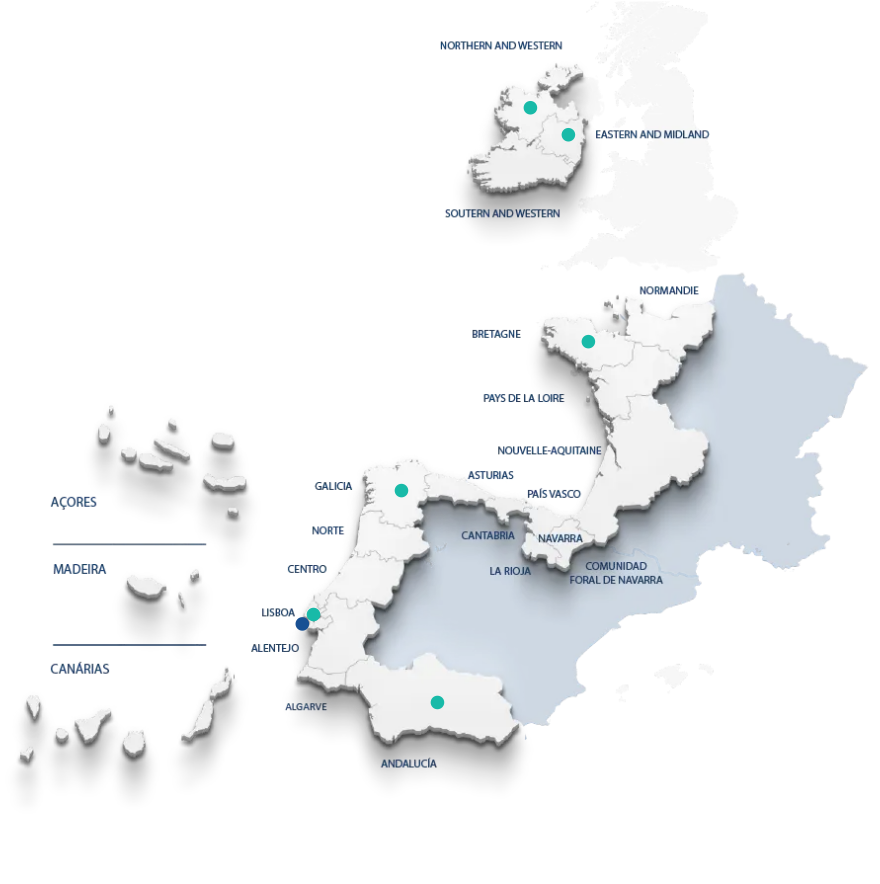
Instituto Superior Técnico (Departamento de Engenharia Civil, Arquitetura e Georrecursos) (Lisboa, Portugal)
Instituto Superior Técnico (Departamento de Engenharia Civil, Arquitetura e Georrecursos) (Lisboa, Portugal)

Website

Duration
01.11.2025 — 31.10.2028
01.11.2025 — 31.10.2028
Summary
Plastic pollution poses a severe threat to the biodiversity and ecological integrity of aquatic environments across the Atlantic Region, impacting both natural habitats and the communities that rely on them.
TRAP proposes eco-friendly solutions to reduce plastic litter reaching the Atlantic Ocean. The main goal is to produce guidelines to design hotspots to trap and retain plastics in rivers and estuaries. It offers an innovative approach to tackle aquatic plastic pollution by combining advanced digital tools, nature-based solutions and community engagement.
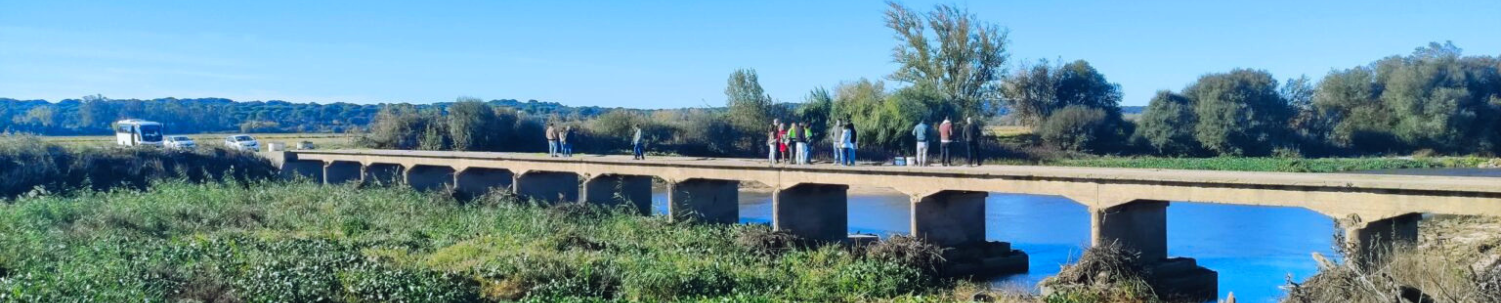
Three field sites have been identified in river catchments in Ireland, Spain, and Portugal, representing diverse Atlantic conditions. Ballygow Farm (Ireland) is a small (~1 km²) mixed agricultural and forested catchment draining to Sandeel Bay, with existing hydrological monitoring data on precipitation, discharge, and flood events. The Umia River basin (Spain) represents a dynamic Atlantic system influenced by agriculture, viticulture, and tourism, combining high-energy upper reaches with lowland floodplains and ecologically sensitive areas prone to diffuse plastic inputs. The Sorraia River (Portugal), a major tributary of the Tagus, is a highly regulated lowland system dominated by agriculture, with strong seasonal flow variability and significant human influence.
Key outputs of TRAP include a digital management tool for identifying plastic retention hotspots, field-tested retention solutions, and practical guidelines for decision-makers. Beneficiaries range from environmental agencies to local authorities and riverine communities.
TRAP proposes eco-friendly solutions to reduce plastic litter reaching the Atlantic Ocean. The main goal is to produce guidelines to design hotspots to trap and retain plastics in rivers and estuaries. It offers an innovative approach to tackle aquatic plastic pollution by combining advanced digital tools, nature-based solutions and community engagement.
Three field sites have been identified in river catchments in Ireland, Spain, and Portugal, representing diverse Atlantic conditions. Ballygow Farm (Ireland) is a small (~1 km²) mixed agricultural and forested catchment draining to Sandeel Bay, with existing hydrological monitoring data on precipitation, discharge, and flood events. The Umia River basin (Spain) represents a dynamic Atlantic system influenced by agriculture, viticulture, and tourism, combining high-energy upper reaches with lowland floodplains and ecologically sensitive areas prone to diffuse plastic inputs. The Sorraia River (Portugal), a major tributary of the Tagus, is a highly regulated lowland system dominated by agriculture, with strong seasonal flow variability and significant human influence.
Key outputs of TRAP include a digital management tool for identifying plastic retention hotspots, field-tested retention solutions, and practical guidelines for decision-makers. Beneficiaries range from environmental agencies to local authorities and riverine communities.

Partners:
- 4Change (Lisboa, Portugal)
- Sea Bird (Bretagne, France)
- Asociación AMICOS (Galicia, Spain)
- Atlantic Technological University (Research Office) (Northern and Western, Ireland)
- Universidad de Sevilla (Applied Mathematics I) (Andalucía, Spain)
- Trinity College Dublin (School of Natural Sciences) (Eastern and Midland, Ireland)
- Associação do Instituto Superior Técnico para a Investigação e Desenvolvimento (Lisboa, Portugal)
- Petra Patrimonia Maritima (Bretagne, France)

Associated partners:
Lead partnerLead partner
PartnersPartners
Associated partnersAssociated partners
